Healthy soil is the foundation of everything you grow – here’s how to turn tired soil into a living ecosystem bursting with life
Without good, healthy soil, efforts above ground to grow plants are likely to be more challenging and far less successful
.jpg?imwidth=1440)
Soil is the point at which all gardening begins. Without good, healthy soil, efforts above ground to grow plants are likely to be more challenging and far less successful.
The foundation of the garden, whether you are growing flowers, shrubs, fruit trees, or vegetables, soil is paramount for providing nutrients, retaining moisture, and ensuring strong root development, and knowing your soil type is key.
Whatever soil you have in your garden, there are things that can be done to improve it, typically by adding organic matter and encouraging beneficial insects.
How to grow good soil

Long established is the influence of soil type on gardens. If you’re new to a garden, the first thing to do is determine whether, for example, its soil is clay and will need lightening with compost and manure, or on sand, which could benefit from being enriched with organic matter. Acidity is key, too: ericaceous plants like rhododendrons and azaleas will not thrive in soil that isn’t a little acidic.
Now gardeners are also realising just how important bacteria, fungi, arthropods, nematodes, protozoa, and invertebrates like earthworms are in making soil the extraordinary substance it is. Soil is an ecosystem in which billions of organisms, both visible and invisible to the naked eye, thrive. The more we encourage all soil life to thrive, the more successful our efforts in the garden are likely to be.
A range of cultural practices encourages soil life and can be supplemented with commercial products. You can grow good soil simply, although it will take time and consistency.
Dig or no-dig?

There is much debate about whether to dig the soil or to leave it be, disturbing it as little as possible. Traditional arguments for digging have been well-intentioned – to turn over heavy soil, to clear it of weeds – but undisturbed soil has an extraordinary capacity to store carbon.
Digging also affects what’s known as the rhizosphere. Lying just beneath the soil’s surface, this is the layer where root activity takes place. In good soil, the rhizosphere is an intricately connected web of organisms transporting materials to where they are needed and removing those that are unnecessary or even potentially toxic. Disturbing the rhizosphere through regular digging can interrupt this communication and alter the inherent physical structure of the soil, which can become compacted when it is dug or rotovated repeatedly.
Earthworms are one of the most obvious inhabitants of the rhizosphere and play a vital role in aeration: you won’t find many of them in soil that’s frequently rotovated or lacking organic matter. A multitude of other invertebrates transport materials, aerate soil through their activity, and eat pests that might affect our plants. Fungi and bacteria are also key, even though only a fraction have been described to science. Sally Morgan, author of The Healthy Vegetable Garden by Sally Morgan, available from Amazon, explains that mycorrhizal fungi have a symbiotic relationship with plants, providing the plant with nutrients while receiving sugars in return. Think of them as an extension of a plant’s roots, living both in the root and the adjacent soil.
What to add to your soil

One of the best ways to grow good soil is to add decomposing plant matter to it. “Good soil has good texture. It’s dark and crumbly and has a lot of organic matter in it,” explains Emma O’Neill, head gardener for Garden Organic at Ryton Organic Gardens in Coventry.
Aim to spread a thick mulch – of home-made compost, leafmould or well-rotted manure _ over soil once or twice a year, in autumn, late winter or spring. It will gradually be incorporated by earthworms and other soil fauna.
Keeping soil covered in this way helps stop soil nutrients washing away and improves the soil’s water retention – important during dry summers. In fallow vegetable beds, green manures such as clover, phacelia, and ryegrass also keep soil covered while adding organic matter when they are chopped down at the end of their lives.
Good sources to grow good soil

Comfrey leaves can be layered directly in a heap to heat it or, mixed with nettles, turned into a liquid plant feed. Buy comfrey plants from The Organic Gardening Catalogue.
Bokashi bins are a good way to break down foods that should not be added to a compost heap, such as meat and dairy. HOTBIN has a range of bin sizes, including the new extra-large HOTBIN Mega. Contents reach between 40 and 60 degrees, so compost is produced far quicker than a conventional compost heap.
Biochar is charcoal burnt solely for adding to soil and is available commercially in products such as Carbon Gold and Oxford Biochar.
Mycorrhizal fungi are widely available for adding to planting holes at planting time. Envii’s brand new Root Well available from Amazon combines mycorrhizal fungi and bacteria, and the company says its trials of this advanced formula have shown that it significantly increases plants’ nutrient and water uptake. The company also sell Envii Activearth available from Amazon, which encourages earthworms, and a Compost Accelerator available from Amazon for speeding up the composting process.
Topsoil for landscaping projects or filling raised beds has often been sterilised, destroying its fauna. Boughton Loam can supply high-quality, single-source natural topsoil with existing and developing organic biomass. Some of the mixes available at Boughton’s online store at Garden Topsoil Direct, such as the Veg & Fruit Topsoil, include a generous percentage of organic matter.
New products developed with the aim of developing soil life include the Land Gardeners’ Climate Compost, a bag of inoculum added to the compost heap or soil. SoilSmiths’ The Goop: a liquid mixture of fungi and nematodes that can be added to compost bins, seed trays, potting soil mix, and grow beds.
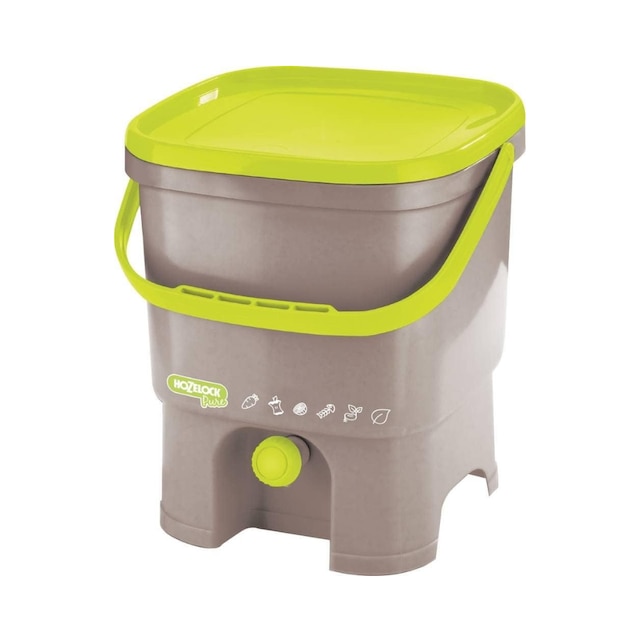
Turn your kitchen waste into a rich fermentation liquid, which provides the perfect base for compost. Any organic kitchen waste can be composted and will produce fertiliser in 5 days and compost in 15-20 days.
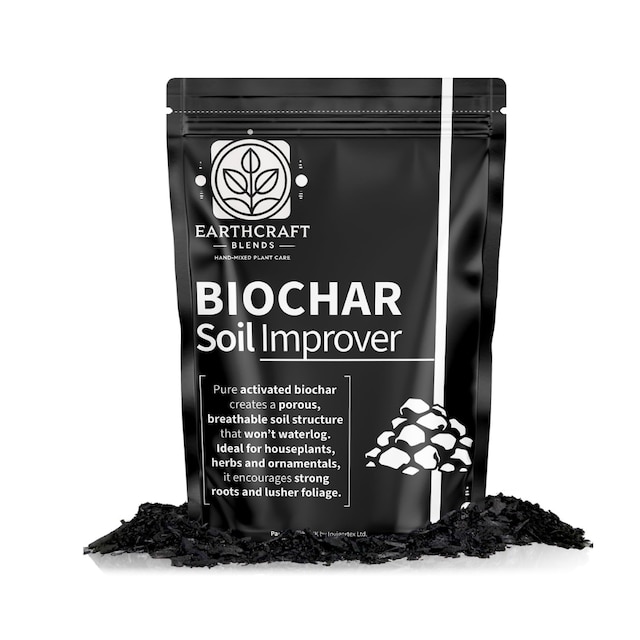
You can blend biochar into compost and potting mixes to improve soil aeration and nutrient retention.
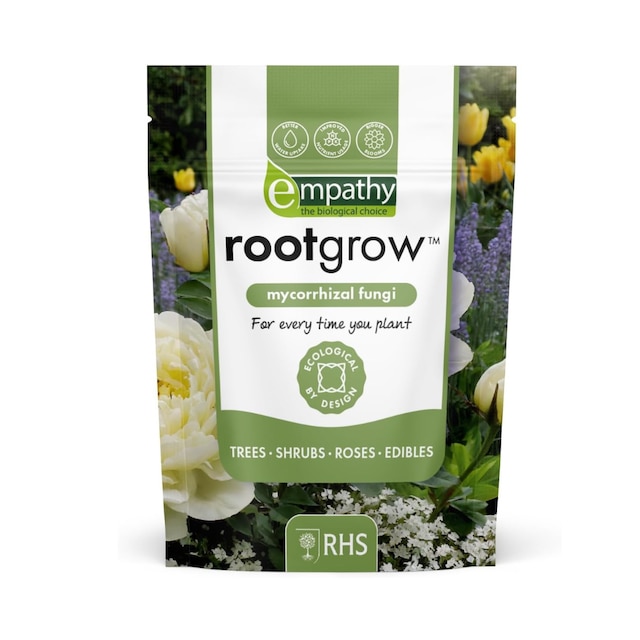
Rootgrow contains mycorrhizal fungi, improving the life of plants such as bare-root roses from the planting stage.
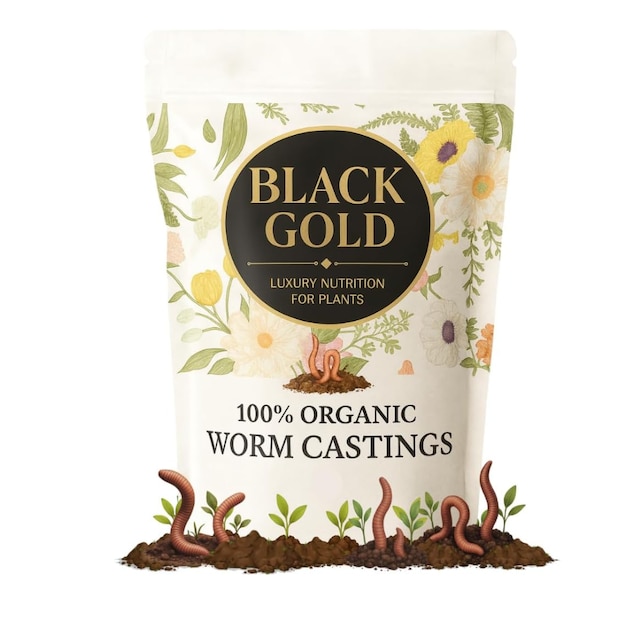
Pure, natural worm castings help you to develop healthier soil, improving long-term fertility. Work this fine texture into your compost for chemical-free gardening.
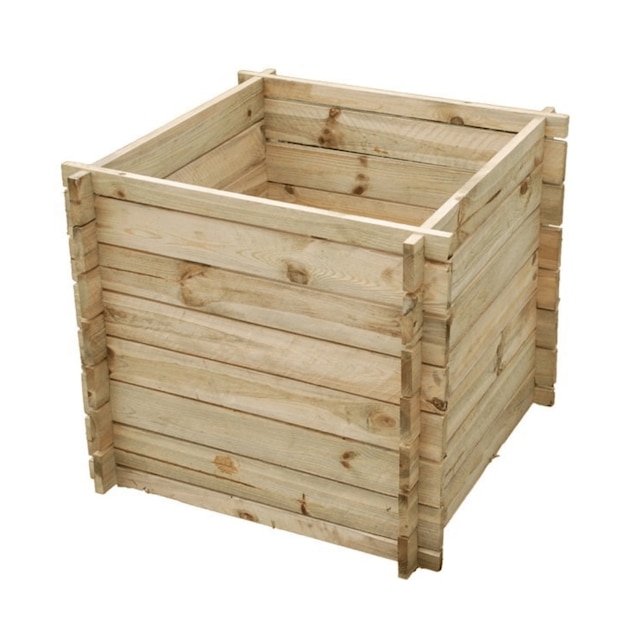
This wooden compost bin has been designed with a traditional slatted structure, which helps promote steady airflow throughout the composting process to encourage decomposition and prevent odours.
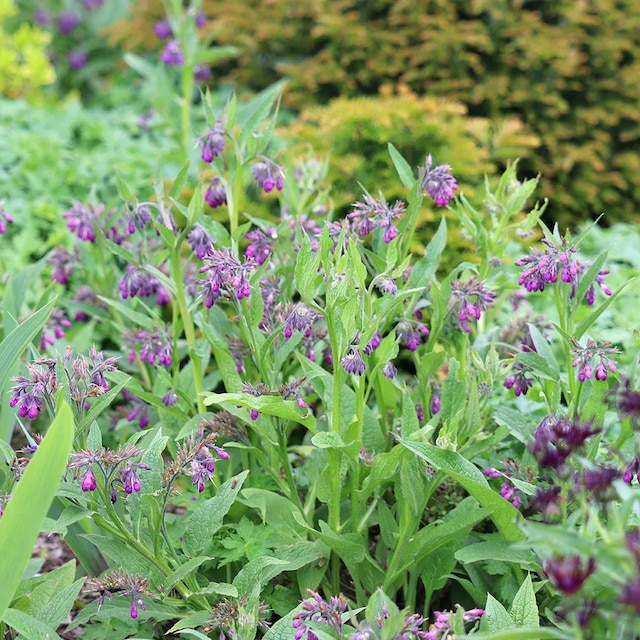
Steep the leaves in water to make ‘comfrey tea’, which produces a brilliant organic plant food.
Many useful books delve even deeper into growing good soil. Some of our favourites include The Science of Compost by Julian Doberski, The Ecological Gardener by Matt Rees-Warren, The Healthy Vegetable Garden by Sally Morgan, No Dig by Charles Dowding, and Entangled Life by Merlin Sheldrake, all available from Amazon.
More from Maintenance


d010.jpg?imwidth=320&impolicy=utilities-thumbnail)

More from The English Garden

6138.jpg?imwidth=320)